Many people only visit a dentist in Sherwood Park when they feel pain. But waiting for pain is not the best way to care for your teeth. Most dental problems start small and do not hurt at first.
Are dental checkups necessary if you brush and floss every day? The answer is yes. Brushing and flossing are important, but they cannot remove all buildup or spot every problem.
What Happens During a Dental Checkup
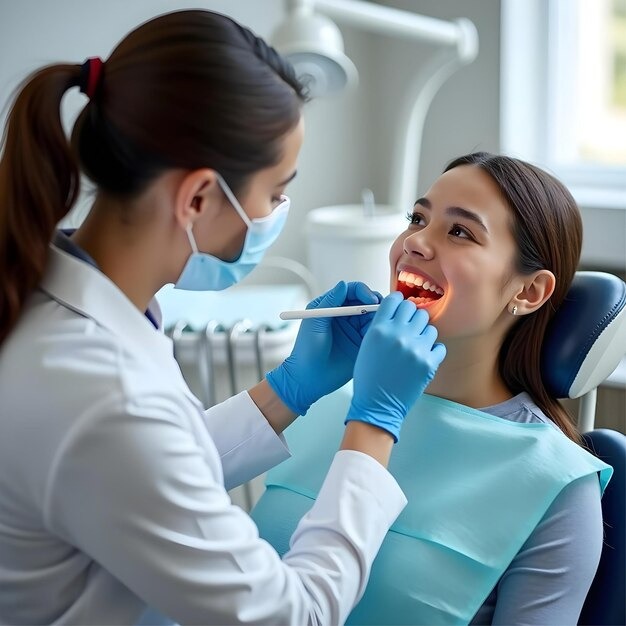
At a regular visit, your teeth and gums are carefully checked. The dentist looks for cavities, gum problems, and signs of wear or damage. Old fillings and crowns are also checked to make sure they are still in good shape.
Your teeth are cleaned to remove plaque and tartar. Tartar is a hardened buildup that cannot be removed with home brushing. This cleaning helps keep your gums healthy and lowers the risk of cavities.
Why Early Detection Is Important
Minor problems are easier to treat and manage when found early. A tiny cavity can often be fixed quickly with a simple filling. If ignored, it may grow deeper and become a larger issue that requires more time and treatment. Early care also helps protect the surrounding teeth from damage.
Gum disease can begin without any pain, so it is easy to miss. Your gums might bleed a little when you brush or look a bit swollen. A regular checkup can spot these early changes and treat them before they turn into bigger problems and affect your oral health.
How Often Dental Checkups Are Needed
Many people wonder about how often dental checkups should be done. For most people, visiting every six months is a good routine. These regular visits help catch minor problems before they turn into bigger ones. Some people may need to come in more often, depending on their oral health history and daily habits.
You may need more frequent visits if you:
- Have had many cavities before
- Have gum problems
- Smoke
- Have diabetes
- Wear braces
In these cases, closer monitoring helps prevent complications and keeps your treatment on track. Your dentist can suggest what schedule works best for your needs and help you plan visits that support long term oral health.
Why Professional Cleaning Matters
Even if you brush well, plaque can still build up in hard to reach places, especially between teeth and along the gum line.
Regular cleanings help:
- Prevent cavities
- Keep gums healthy
- Reduce bad breath
- Lower the risk of tooth loss
Clean teeth also look brighter and feel smoother after a professional cleaning. Regular removal of buildup not only improves comfort but also lowers the chances of gum irritation and future dental problems.
Oral Health and Overall Health
Your mouth is connected to the rest of your body. Infections in the gums can affect your general health if they are not treated in time. Bacteria from gum disease may enter the bloodstream and cause further concerns.
Keeping your teeth and gums healthy supports your overall well being in many ways. Healthy gums can also lower the risk of inflammation that may affect other parts of the body. Regular checkups are a simple and effective way to protect more than just your smile and help maintain long term wellness.
What If Nothing Hurts
Some people skip visits because they feel fine and do not notice any problems. However, many dental issues do not cause pain in the early stages, which makes them easy to ignore. A small crack or cavity may not hurt at first, but it can slowly grow deeper over time. Gum disease can also develop quietly without clear warning signs. By the time pain appears, the condition may require more complex treatment. Regular visits help catch these concerns early and keep your teeth in better shape.
Building Good Daily Habits
Dental visits are also a chance to learn better habits. You may get tips on brushing, flossing, and food choices.
Simple habits that help include:
- Brushing two times in a day
- Flossing daily
- Drinking plenty of water
- Limiting sugary snacks and beverages
- Changing your toothbrush every few months
These small steps make a big difference over time.
Dental Care for Children
Children also need regular checkups. These visits help watch how their teeth are growing. Early care helps prevent cavities and builds healthy habits from a young age. Parents can learn how to guide their children’s brushing routine at home.
Regular visits also help children feel comfortable at the clinic. When they start early, they are less likely to feel nervous about dental care later in life. Simple advice about diet, brushing, and flossing can help protect their teeth as they grow.
Easy Access to Care
If it has been a while since your last visit, going to a dental clinic near you makes it easier to stay consistent with your dental care. Regular visits feel less stressful when they become part of your routine. It is never too late to restart good dental care habits.
Signs You Should Not Ignore
Between visits, watch for:
- Bleeding gums
- Ongoing bad breath
- Tooth sensitivity
- Loose teeth
- Jaw pain
If you notice these signs, do not wait.
Long Term Benefits
Regular checkups lower the chance of sudden dental problems. They help keep your teeth strong and your gums healthy. Fixing small issues early is easier and usually costs less than treating bigger problems later.
Routine visits also help find concerns before they cause pain. Cleanings remove plaque that daily brushing may not fully clear. Staying consistent with care keeps your mouth comfortable and healthy over time.
Take Care of Your Smile
If it has been a while since your last checkup, Aspire Dental is ready to help. Book an appointment and take a simple step toward healthier teeth and gums. Our team gives clear guidance and gentle care at every visit. Regular checkups today can protect your smile for the future. Scheduling your next visit is an easy way to stay on track.
Frequently Asked Questions
Are dental checkups essential if I brush every day?
Yes. Brushing helps, but checkups find problems early and remove buildup you cannot clean at home.
How often dental checkups should I schedule?
Most people benefit from visiting the dentist every six months, but some may need to go more often depending on their oral health needs.
Do dental checkups hurt?
Most checkups are comfortable. You may feel mild sensitivity, but it usually goes away quickly.
Are regular checkups expensive?
Preventive care usually costs less than treating bigger dental problems later.